
Tall Tree
Sensory rooms
Sensory Therapy Rooms
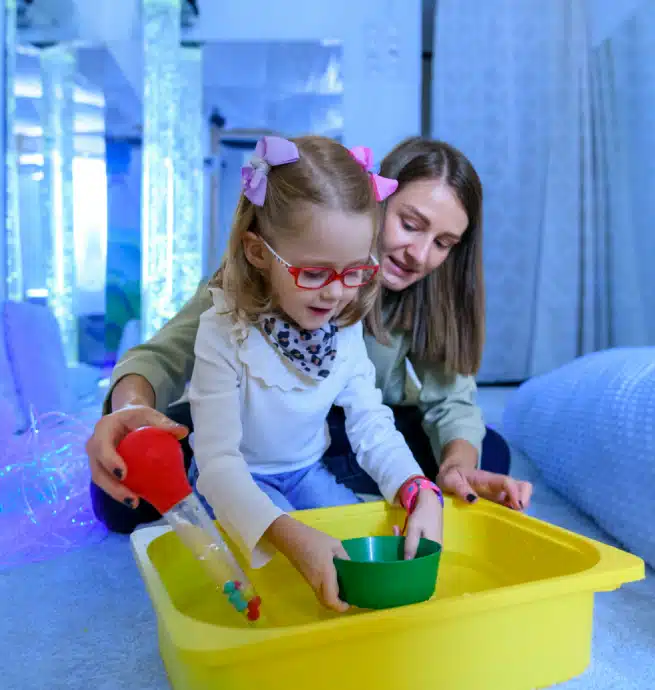
Tall Tree sensory rooms are built to reduce overstimulation and provide a safe, focused space for sensitive clinical work.
1300 594 560
Tall Tree
Why sensory design matters
Spaces that reduce sensory load

For clients sensitive to sound, light, movement, or visual complexity, the environment can shape the entire session. Standard consulting rooms often introduce unnecessary sensory input harsh lighting, echoing sound, visual clutter, or unpredictable noise that makes it harder for clients to regulate and engage. Clinicians are then left managing the space instead of focusing fully on the work.
Tall Tree sensory therapy rooms are designed to remove those pressures. Lighting is soft and consistent, acoustics are treated to reduce echo and outside noise, and layouts are predictable and uncluttered. The goal is simple: to create a space that supports regulation, focus, and therapeutic presence from the moment a client enters.
Tall Tree
Inside the space
What makes these rooms sensory considered
Low sensory stimulation
Rooms are designed to minimise visual and auditory overload. Soft finishes, controlled lighting, and reduced noise help create a steady environment that supports regulation and focus.
Predictable layouts
Furniture placement and room layout remain consistent and intentional. This predictability reduces cognitive load and helps clients feel safe and oriented within the space.
Acoustic Privacy
Sound treatment and thoughtful room positioning reduce echo and external noise, supporting confidentiality and reducing unexpected sensory interruptions during sessions.
Tall Tree
The room itself
A space that feels steady and intentional
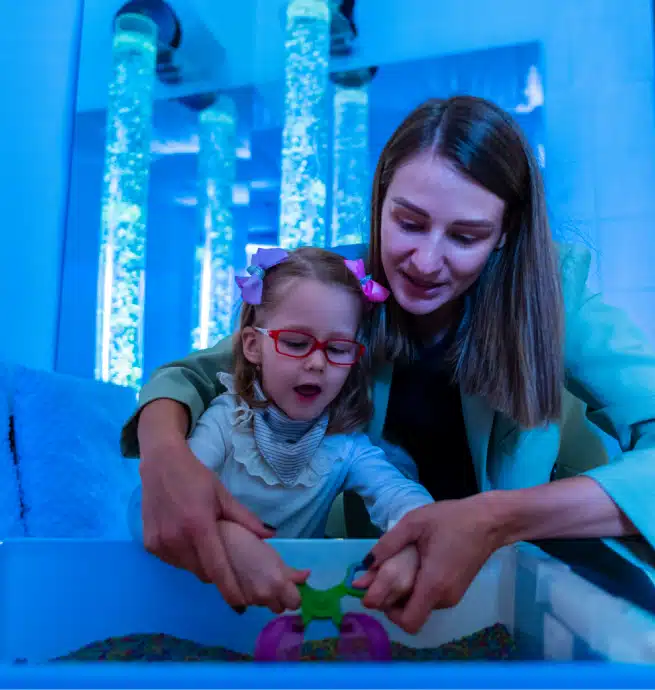
Sensory therapy rooms at Tall Tree are designed to feel consistent, predictable, and grounded. Materials, colors, and furnishings promote calm engagement rather than draw attention. Lighting is even and adjustable, avoiding glare or harsh contrasts, while layouts remain uncluttered to give both clinician and client a clear sense of space and orientation.
Every design choice supports sensitive clinical conversations, reduces background strain, and creates an environment that feels safe week after week. For clinicians working with clients easily overwhelmed by their surroundings, the room becomes a quiet support rather than another variable to manage.
Tall Tree
Sensory Therapy Rooms
Frequently asked questions
What are sensory therapy rooms used for?
Sensory therapy rooms are designed to support clients who are sensitive to their environment. They are commonly used for occupational therapy, psychology, counselling, speech therapy, and allied health sessions where reduced sensory input and a calm setting are important for engagement and regulation.
Are the rooms suitable for different therapy approaches?
Yes. The rooms are intentionally neutral and flexible, allowing clinicians to adapt the space to their own therapeutic approach. Furniture can be arranged to suit one-to-one sessions, family sessions, or child-focused therapy without overstimulation.
What sensory considerations are built into the rooms?
Lighting is soft and adjustable, colours are muted, and furnishings are chosen to minimise visual and auditory distraction. The layout avoids clutter and excessive stimuli, helping clients feel settled and comfortable throughout their session.
Can I use the room for regular weekly sessions?
Absolutely. Many clinicians use the same sensory therapy room on a recurring basis. Consistency of space helps clients feel familiar and safe, which is especially important for those who benefit from routine and predictability.